Anyone who’s tried to figure out how to sell online in Dubai without a trade license runs into the same wall of conflicting advice — some sources say you need a full commercial license and physical office, others skip the legal step entirely and just tell you to “connect a payment gateway.” The actual answer sits in the middle: Dubai’s Department of Economy and Tourism offers an E-Trader license specifically for individuals selling online or from home, and it’s the legitimate route to registering a business name and then setting up payment processing like Stripe properly.
What the E-Trader License Actually Is
The E-Trader license, issued by Dubai’s Department of Economy and Tourism, is a sole-establishment license built for people running a business from home or purely online — no physical shop or office required. It gives you a registered trade name and the licensed activity of “Online Seller,” which is the legal foundation you need before a payment processor like Stripe will treat your account as a legitimate business rather than a personal one.

Why This Matters Before You Touch a Payment Gateway
Payment providers run compliance checks on any business account — they want to see a real registered entity behind it, not just a name and a bank account. Without a license like this, freelancers selling online in the UAE either get stuck using personal payment links (which providers can flag or shut down) or end up overpaying for a full commercial license they don’t actually need for a small online operation.
Getting From License to a Working Stripe Setup
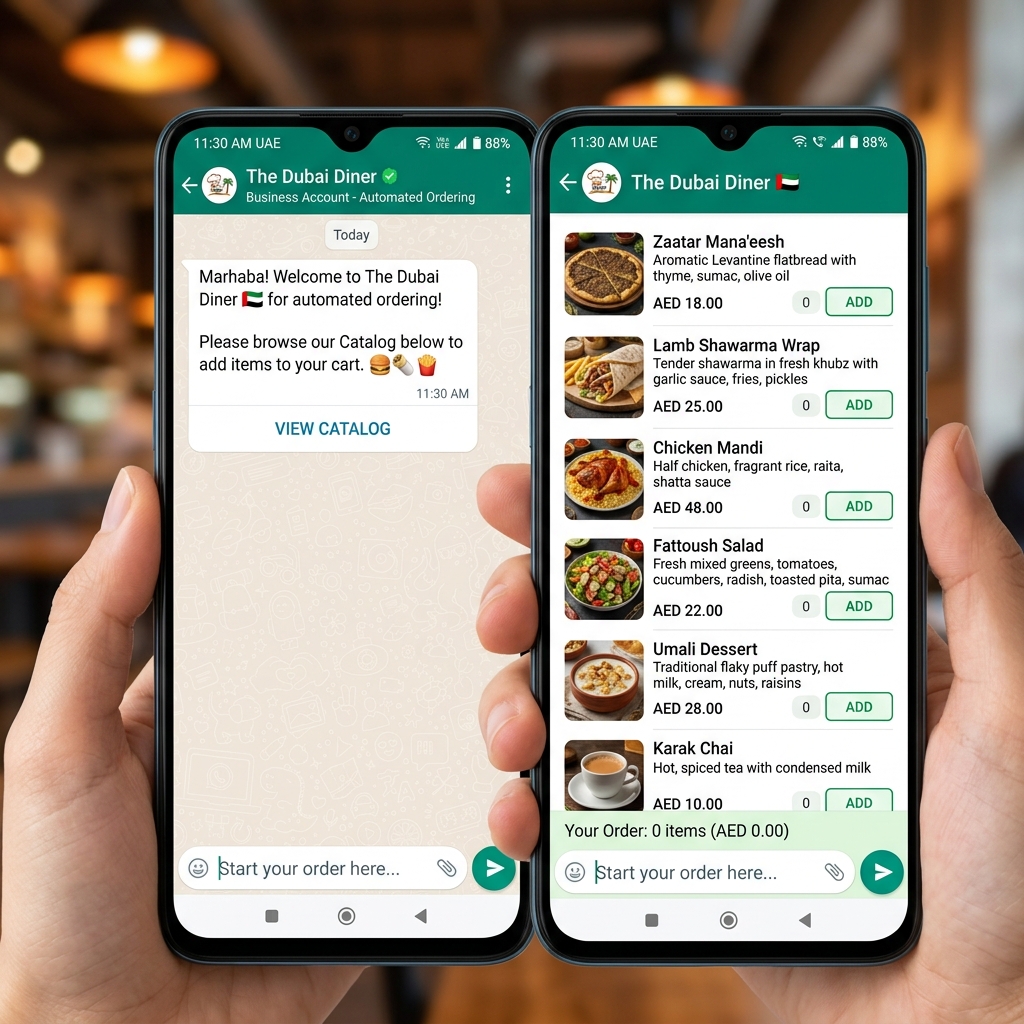
Once the E-Trader license and trade name are in hand, the practical sequence is: register the business details with the payment provider, get the account verified against the license and Emirates ID, and connect it to whatever storefront or invoicing system you’re using — a Shopify store, a simple website, or even just WhatsApp-based sales with Stripe payment links. The license is the unlock; the payment setup is what actually lets money move.
Local Relevance: Who This Is Actually For
This route fits a very specific and common Dubai reality: freelancers, home-based sellers, and small online brands who don’t need a shop, a team, or a free zone company — just a legal way to sell and get paid. It’s the same gap a lot of side-hustle sellers and solo digital businesses in Dubai run into once they outgrow informal Instagram-DM sales.
Do’s and Don’ts
Do confirm your specific licensed activity matches what you’re actually selling — “Online Seller” covers general e-commerce, but some product categories need additional approvals. Do keep your Emirates ID, license, and business bank details consistent everywhere; mismatches are the most common reason payment verification gets delayed. Don’t assume a personal payment link is a substitute for a real merchant account long-term. Don’t wait until you have volume to sort out the license — verification takes time, and you don’t want a payment freeze right when sales pick up.
FAQs
Q1: Is the E-Trader license the same as a full trade license?
A1: No — it’s a lighter-weight license specifically for home-based and online sellers, without the office and setup requirements of a full commercial trade license.
Q2: Can I use the E-Trader license with any payment provider, not just Stripe?
A2: Yes, it’s a business license — it’s the registered trade name and activity behind whichever payment provider you choose.
Q3: Do I need a UAE bank account as well?
A3: In practice, yes — most payment providers want a business bank account linked to the same licensed entity for verification and payouts.
Q4: How long does the whole process take, license to live Stripe account?
A4: It varies, but budgeting a few weeks end-to-end (license issuance plus payment provider verification) is realistic rather than assuming it’s instant.
Ready to build your E-Commerce Store? Contact Ecotrustia Solutions.
Check out our Portfolio for prior e-commerce builds.